

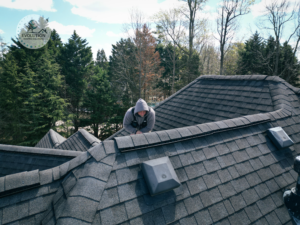
Spring Roofing Concerns: What Every Homeowner Needs to Watch For
As winter fades and spring rolls in, your roof goes through one of its most critical transitions of the year. While the warmer weather is a welcome change, it also reveals damage that may have been quietly developing over the colder months. Spring storms, rain, and rising temperatures can quickly turn small roofing issues into major problems if they’re not addressed early.
One of the most common concerns during springtime is roof leaks caused by winter damage. Snow, ice, and freezing temperatures can weaken shingles and flashing. When heavy spring rains arrive, those vulnerable areas often become entry points for water. Homeowners may notice water stains on ceilings, damp insulation in the attic, or even a musty odor—clear signs that moisture is getting where it shouldn’t be.
Another issue that tends to surface in spring is missing or lifted shingles. Winter weather can make shingles brittle, and strong spring winds can easily tear them off or loosen them. Even a single missing shingle can expose the underlying structure of your roof, allowing water to seep in and cause further damage.
Gutter problems are also very common this time of year. Leaves, twigs, and debris from the fall and winter months often clog gutters and downspouts. When spring rains hit, water can’t properly drain away from your home. Instead, it may back up under the shingles or overflow, potentially damaging your siding, fascia, and even your foundation.
Spring’s combination of warmth and moisture also creates the perfect environment for moss, algae, and mold growth. While this might seem like a cosmetic issue at first, it can actually cause serious damage over time. Moss, for example, can lift shingles and allow water to penetrate beneath them, while algae and mold can deteriorate roofing materials.
In addition, the aftereffects of ice dams can linger long after winter is over. Ice dams form when melting snow refreezes at the edge of your roof, trapping water behind it. That trapped water can seep under shingles and cause hidden damage to the roof deck and structure. By spring, the signs may not be obvious, but the damage can still be there.
Spring storms also bring the risk of hail damage. Hail can bruise shingles, knock off protective granules, and weaken the overall integrity of your roof. The tricky part is that hail damage isn’t always visible from the ground, but it can significantly shorten your roof’s lifespan and may qualify for an insurance claim.
Flashing failures are another concern to keep an eye on. The metal flashing around chimneys, vents, and roof valleys can loosen due to temperature fluctuations. These areas are some of the most common points for leaks, making it important to ensure they remain secure and watertight.
Finally, poor attic ventilation can become more noticeable as temperatures rise. Without proper airflow, heat and moisture can build up in your attic, leading to warped decking, mold growth, and a shorter lifespan for your roofing system.
Spring is essentially a stress test for your roof. The combination of past winter damage and current weather conditions can quickly expose weak spots. That’s why a professional roof inspection in the spring is one of the smartest moves a homeowner can make. Catching issues early not only saves money but can also help ensure that any storm-related damage is properly documented for insurance purposes.
Taking care of your roof now means avoiding bigger headaches later—and protecting your home for the seasons ahead.
